Sports Tourism and the Cévennes National Park: The Transmodern Choice
The purpose of this article is to describe and analyze how stakeholders in a protected area, such as the Cévennes National Park (PNC), act in light of the current and conflicting goals of growth and ecosystem preservation. From a tourism and sports perspective, in the first part of this article we have sought to illustrate their working methods and how these reveal a transmodern cultural form (Corneloup, 2011)—a culture in which, through innovation and solidarity, sustainable development and collective well-being are the primary objectives. We also analyze how this transmodernity has taken shape in the region. We will see that it is organized around a knowledge economy based on information sharing and decision-making through consensus and debate, and that it represents the means by which local stakeholders have succeeded in making the region innovative and attractive.
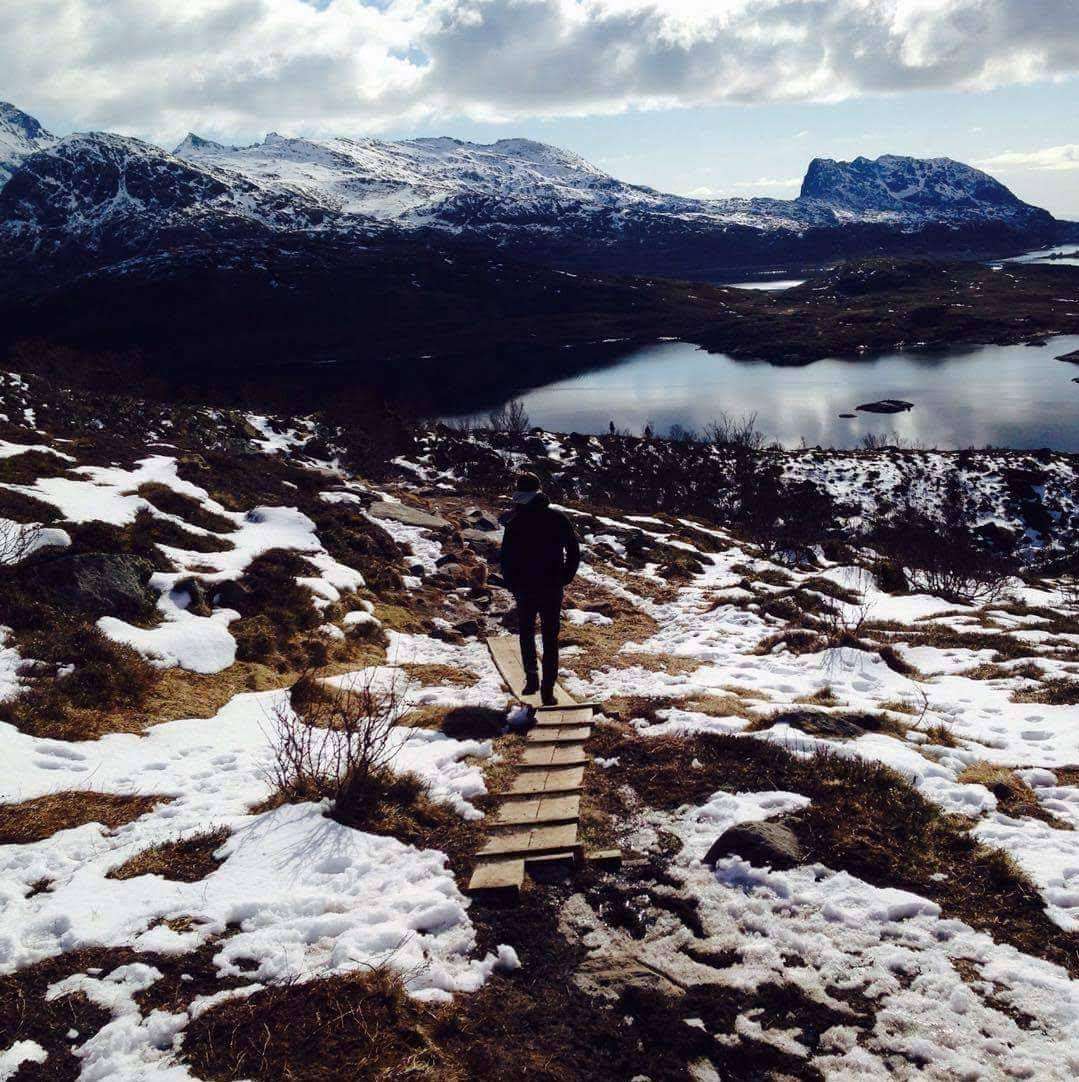
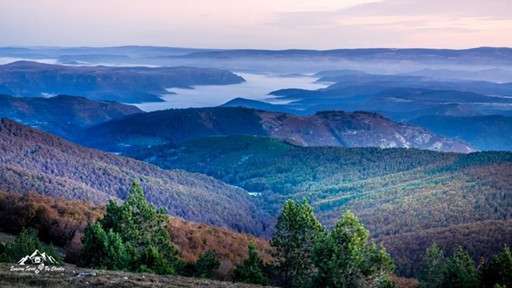
Living in the Pays Viganais community of communes can be seen as a privilege for those who love nature and the great outdoors. Indeed, Le Vigan and its neighboring towns are part of the Cévennes National Park (PNC), the only French national park with settlements in its heart. This offers visitors a wide range of opportunities for outdoor activities. We decided to examine these activities in order to understand the current dynamics of this region. These outdoor activities are highly diverse and varied; they can differ in terms of their environments (aquatic, terrestrial, aerial, etc.), their risk levels, or their technical complexity. These differences among outdoor activities are meaningful and represent distinct cultural forms. In other words, each of the dimensions (equipment, technology, physical techniques, objectives, etc.) associated with the practice reveals social (Marc and Michaud, 1981) and cultural characteristics linked to a specific era and geographic location.
Initially, outdoor physical activities developed around traditional games (Mounet, 2004), for which the rules and norms varied depending on where they were played. They are categorized as part of traditional culture because enjoyment and recreation were the primary focus. However, these activities have gradually become more widespread as they have become more structured and institutionalized since the late 20th century. The marking of trails and the establishment of clubs and sports service providers have made these activities accessible to a new audience. According to Corneloup (2011), this period in history corresponds to modernity because it involved developing new activities at the national level in order to control and dominate nature, and to encourage comparisons and, consequently, competition. However, this “sportification” (Perelman, 2010) of these activities and their democratization have led to overcrowding in natural areas (Mounet, 2004). Indeed, the influx of the general public has prompted experts, seeking tranquility, to abandon their usual spots in search of new “secret spots,” which will eventually be discovered by the masses as well (Mounet, 2004). This phenomenon of overcrowding in nature is only amplified by postmodern culture, in which participants make use of the entire environment (land, water, air) through new forms of recreation such as paragliding or surfing (Corneloup, 2011).
Furthermore, sports tourism has grown, making natural areas a fundamental resource for tourism service providers (Mounet, 1997). Nature has thus quickly become a coveted space where conflicts of interest can arise between athletes, service providers, hunters, and others. But beyond conflicts among humans, this increased visitor traffic causes damage and disruption to biodiversity as a whole. This raises questions: What values and forms of tourism would be more in line with ecological concerns? How can we limit the impact of nature-based sports tourism in light of global warming? How should we manage our territories?
In this context, the French government has established national parks to protect certain areas rich in biodiversity. This national park status entails a framework—a structure—that applies to all stakeholders in the territory. National parks consist of a “core” area and a “buffer zone.” The core of the park is closely monitored, and human activities there are strictly regulated for conservation purposes, while the peripheral zone (“buffer zone”) is subject to fewer restrictions but aligns with the policies set by the public agency and the “core” zone. Two distinct policies can thus be implemented, striving to maximize the dual objectives of biodiversity conservation and rural development (Debril, 2014). We will analyze this operational model from the perspective of tourism and sports.
It is important to note that Corneloup (2011) identifies this period as the emergence of the transmodern cultural form. He defines it as a culture developing around climate issues and collective well-being. According to him, the growth objectives of the modern and postmodern systems only exacerbate vulnerabilities in ecological, economic, energy, social, and health terms. The transmodern lifestyle, championed by the public, offers an alternative by returning to a long-term perspective in which nature once again becomes a central focus. However, it is important to understand that this is not a step backward; this lifestyle seeks to draw inspiration from and go beyond modernity to reach a new level of consciousness and political intelligence (Corneloup and Mao, 2010), thereby overcoming the constraints of the existing system. With regard to outdoor activities, this approach would generate a new dynamic (Corneloup and Mao, 2010) through conceptual changes and innovations aimed at fostering creativity and rethinking the ways we experience physical sensations and recreational time. It therefore seems worthwhile to understand how providers of outdoor adventure activities have adapted to the rules prescribed by national parks, and how these activities carry meaning in light of the associated cultural forms.
To this end, our study focused on the Pays Viganais Community of Municipalities (CCPV), which is part of the PNC and straddles both its core and its peripheral zone. The population of this territory—governed by the various policies of both the PNC and the CCPV—appears to have embraced the principles of transmodernity through a sustainable lifestyle and the fostering of solidarity. This article provides an opportunity to better understand the ins and outs of this cultural phenomenon. To this end, in the first section we will examine the influence of transmodernity on the forms of sports tourism present in this region. Then, in the second section, we will explore how these ecological and societal transformations have emerged in this region.
Methodology
This research is based on qualitative data from six semi-structured interviews, each lasting approximately 40 minutes. These interviews were conducted with professionals in the fields of sports tourism and national parks, event organizers, and a local elected official, as the goal was to engage not only with those who shape sports activities (political and regional entities) but also with those who offer them to customers (service providers). These interviews centered on three main themes: recreational livability, sustainable development, and the relationship between the interviewee and the region. This allowed us to understand the social behaviors and mental states (Blanchet, 1987) of our subjects, but above all the concept of “form” (Corneloup and Mao, 2010), which aims to capture the principles that emerge in the shaping of a culture and through which the material and immaterial relationship to social practice is constructed. Similarly, these interviews enabled us to identify and compare the tourism and sports offerings available in this region. Finally, it was also essential to analyze the various organizational structures of the Pays Viganais in order to better understand how this transmodern cultural form is structured. Through these methodological tools, we were able to capture a reality and attempted to interpret it.
The Transmodern Influence on Sports Tourism in the PNC
Transmodernity is “based, on the one hand, on the blending of spheres of practice (sports, recreation, tourism, art, spirituality, etc.) and values; and, on the other hand, on an ecological way of life” (Kirschner, 2017: 14). In this section, we will show how this can be reflected within our research area. First, it is important to revisit the context of this study—namely, the exceptional nature of this preserved region. Its wild, unspoiled character, which offers an escape, and its rich biodiversity were highlighted by our interviewees, the majority of whom made a lifestyle choice by moving to the Cévennes. This choice prioritizes a “return to nature” (Faes, 2002) in order to achieve a better quality of life (Ateljevic, 2013). As a result, they have fled urban life and its technologies to reconnect with nature and its elements.
"If you love outdoor sports—mountain biking, road biking, trail running, and hiking—it's absolutely beautiful here, between the Cirque de Navacelles and the entire Aigoual massif Aigoual massif—it’s a little paradise ! And best of all, you can enjoy it all year round. […]
"That's exactly the moment when you want to be alone with nature and […] for philosophical reasons, you don't want to go for a run with your phone."
Pierre, sports event organizer and president of the cycling club.
We can thus observe the abandonment of the human/object dichotomy promulgated by modernity and postmodernity, in favor of a resurgence of the human/nature dichotomy (Acosta, 2012) championed by the transmodern movement. This movement places nature back at the center of consideration. However, it does not reject everything that has been done in the past and attempts, for example, to retain and adopt the best of the technological revolution (Dussel and Ibarra-Colado, 2006) while eliminating its anti-ecological aspects. This principle is reflected in the use of electric-assist bicycles (EABs) by one of the interviewed tourism service providers, who emphasizes that EABs make it easier to participate in the activity.
Nevertheless, if we look directly at the offerings of the sports service providers surveyed (one offers multi-day excursions with lodging in rural guesthouses along country trails accompanied by a donkey, and the other, as mentioned earlier, sells e-bike tours to explore the surrounding landscapes using guidebooks), we observe that these offerings are meaningful and are not limited to drawing inspiration from the best of what has been done in the past. On the contrary, it appears that they propose an innovative lifestyle through “recreational habitability” (Corneloup et al., 2014). This concept refers to the way in which residents—and, in our case, sports tourism stakeholders—rethink their relationship with nature in order to make it a defining part of their identity (shaping the territory), sustainable (respect for the environment), and attractive for recreational uses (Corneloup et al., 2014). This concept, as a key pillar of transmodern influence, can take two different forms: cultural hybridization and the transcultural nature of outdoor sports.
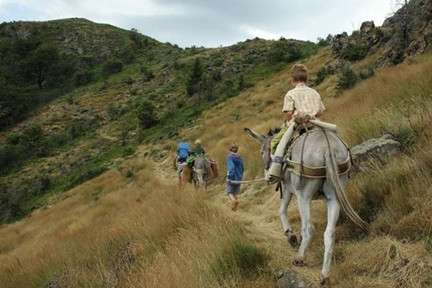
Cultural hybridization reflects the fact that the competitive and performance-oriented aspects of outdoor sports are no longer the only elements linked to nature. On the contrary, this aspect has been replaced by a recreational dimension and accessibility for all (Corneloup, 2011), allowing the various cultural dimensions of these activities to come to the fore, such as music, dance, art, and ecological observation… To illustrate our point, we can note that, for one service provider, the donkey offers three advantages: it allows customers to unload their luggage, it can carry children when they are tired, and it adds to the enjoyment of the excursions simply by being there. Thus, the donkey facilitates the activity, sparks curiosity, and entertains participants, while the walking component allows the cultural dimensions (ecological observation, music, etc.) to come to the fore.
Second, the electric assist on mountain bikes makes it possible to expand the potential customer base to include people who are less athletic and/or not experts. The guidebooks, for their part, offer a historical and cultural perspective. We thus see the hallmarks of transmodernity and cultural hybridity: accessibility for all and openness to cultural and recreational dimensions (see Table 1).
Furthermore, the transcultural aspect of outdoor sports (Corneloup and Mao, 2010) refers to the connections and bridges created between practices and cultures in order to revitalize them from an innovative, recreational, and sustainable perspective. This has allowed us to observe two elements.
The two service providers interviewed, together with the PNC, helped rehabilitate the country trails. This initiative had two consequences: it allowed them to shape and take ownership of this territory a little more, but above all, it created a link between traditional culture and transmodern culture. Indeed, these trails, traditionally used for transporting livestock or goods, are now used for tourism and sports.
The second factor is the revitalization of the mountain biking industry through technological innovation (electric batteries). As a result, the focus on performance takes a back seat, making way for the exceptional beauty of nature and the joy of exploring it (see Table 1).
| Concepts | Recreational Livability | ||
| Cultural Fusion | The Transcultural Aspects of Sports | ||
| Principles | -Accessibility for all -Integration of practices with cultural dimensions | Links between practices and cultures (both current and historical) to foster recreational and sustainable innovation | |
| Antoine Donkey Tour | Donkeys make it easier for families to enjoy the activity and go on long excursions. Combined with hiking, they provide an opportunity to explore the cultural aspects of the area. | Restoration of country trails: -shaping and claiming the land -use for tourism purposes | |
| Olivier: Bike Rides | Electric bikes make it easier and more reassuring for beginners to ride. The guidebooks provide a historical and cultural perspective. | ||
| Revitalizing mountain biking through technological innovation. | |||
Through this shaping—and thus this appropriation—of nature, the PNC and its service providers aim to protect this territory, one of the strong pillars of transmodernity. In this regard, the PNC does everything in its power to promote a responsible and sustainable approach for future generations. The regulatory framework established by the government regarding national parks thus requires the population living within the park to take ecological considerations into account. In other words, the scope of possible initiatives for these residents is limited, and the PNC holds the authority to protect this area.
“That said, I’m well aware that there are also local stakeholders who often criticize us for imposing restrictions on general activities within the heart of the park—and not just on the trails or trails […]. But once again, since the region is seeking environmentally sustainable development through the forest, we must strive for the right balance and, therefore, forest management in the fall seems to us to have a lesser impact on wildlife.”
Xavier, PNC executive
We can also highlight the department’s initiative to establish the “Gard pleine nature” label, which promotes ecological values at large-scale sporting events such as the “Gard Trail Challenge,” which features more than a dozen race dates. A phenomenon of transition (Corneloup, 2011) can be observed with the emergence of an eco-sports and organic lifestyle movement. Indeed, it is evident that these competitions—which are part of modern and postmodern culture—are gradually becoming “transmodern” through the internal development of an ecological consciousness, while remaining consistent with the consumption patterns of local residents.
“We’ve been pioneers in this area because the event has been around for 16 years, and for at least 12 of those years we’ve been offering organic products at our aid stations […] We’re not going to buy synthetic T-shirts made in China. We’d rather give runners a bottle of local apple juice or a jar of jam. Our podium prizes are mostly local products to promote the region and minimize unnecessary transportation over thousands of kilometers.”
Pierre, sports event organizer and president of the cycling club.
This approach can be described as “innovativeness” (Alban and Hubert, 2013), as it reflects the ability to develop and promote local resources in order to reverse a negative trend. It helps revitalize the local economy, is environmentally friendly, and sets the event apart from other competitions. This also demonstrates that environmental concerns have been fully embraced by all stakeholders and that these initiatives are not limited to the National Park but have become a collective effort in which everyone is involved. One of the service providers interviewed, for example, has worked to become completely energy self-sufficient. For electricity, they installed solar panels; they also raise sheep and tend their vegetable garden to provide their own food.
Furthermore, these initiatives are accompanied by responsible communication; sports service providers aim to educate tourists in the Cévennes about environmental issues. For one of them, it is even “a duty.” Indeed, his business represents a return to a long-term perspective, in which greater attention is paid to the environment. This focus raises potential questions, which he feels it is necessary to address.
“Everyone who comes through here is made aware of all this; we give them materials about the environment, we prepare them for what they’re going to see, and we also make them aware of what they’re eating…”
Antoine, the tour operator offering donkey treks.
It is, therefore, the concept of naturalness (Corneloup and Mao, 2010) that emerges from these actions, since nature is the defining characteristic of these practices, and every effort is made to enhance the participants’ immersion.
Beyond nature conservation and protection, Luyckx (1999), one of the first researchers to focus on transmodernity, emphasizes the preservation of a balance between flora and fauna. This idea can be put into practice through the regulation of hunting. In fact, the PNC has established, in cooperation with hunters, an association to oversee this activity. This oversight is essential because hunting is mandatory (during certain periods) in the heart of the PNC to prevent animals—particularly deer—from damaging the diversity of the flora.
Based on the various initiatives described, we have thus been able to analyze that the stakeholders seek not only to shape and make the territory their own, but also to make it attractive by promoting a certain quality of life based on sharing and an eco-friendly lifestyle. All of these codes and values correspond to the transmodern cultural form; it is now important to understand how and by what means they have taken root within this territory.
The Transmodern Approach: Establishing a Knowledge Economy
The transmodern cultural form, which is emerging in the region, is rooted in a knowledge economy (Corneloup and Mao, 2010). Since innovation is key to its development, we will show how these actors adopt a project-based approach, drawing on their knowledge, culture, experience, and imagination (Liefooghe, 2014). Four elements emerged during this study.
The first point to highlight is collective cognitive learning (Argyiris and Schön, 1978), which facilitates the innovation process at the PNC. The presence of a rich and diverse network of organizations, the organization of numerous events, and the wide range of tourism offerings are tangible indicators of the region’s dynamism. The complete autonomy of one of the service providers and the spotlight placed on local products at certain events reveal the strength of this region and foster a certain stability and independence from the current capitalist system. Finally, we observed that stakeholders in the PNC are striving to overcome the restrictions associated with preserving the biodiversity of their land in order to maintain a vibrant region. The innovative conceptsdiscussed² thus attest to a region in motion and to the continuation of an evolutionary process (Mathevet et al., 2010), preserving the region’s future potential. We therefore compared the Cévennes region with Corrado’s (2010) observations on the factors that foster social innovation: having a dynamic, independent, and evolving territory. It is clear that the Cévennes align with these assertions.
The second element concerning the functioning of this knowledge economy relates to the expertise of individuals under contract with the PNC. These individuals, supported by local elected officials who can draw on their influence and local standing, use their experience and theoretical knowledge to foster a proactive dynamic in the region, which ultimately facilitates the acceptance of various innovations (Bourdeau, 2009). This knowledge is evident, for example, in the “starry sky” designation recently obtained following a modification to the street lighting system. In reality, it is not innovative to rethink and reduce street lighting during off-peak hours at night in order to save money. However, the innovation lies in the way this lighting has been redesigned to allow people to appreciate the full beauty of the starry sky while avoiding disturbance to crepuscular species. This idea also drives tourism by offering a new attraction for the region. A similar situation can be seen at the Prat Peyrot ski resort. Indeed, this small resort, equipped
With only ski lifts, the area had become vulnerable due to its lack of appeal compared to other French ski resorts. However, just as Fourny (1996) demonstrated in the mid-Alpine mountain range, stakeholders in the PNC recognized a certain potential to be unlocked thanks to the area’s well-preserved environment. For this reason, the PNC delegated the management of this resort to a private contractor so that it could invest in the area and restore its appeal through a functional transformation—that is, revitalizing the resort with a more eco-friendly approach and offering activities year-round. Thus, it can be said that new services are now being offered.
“ The idea is to involve the region in the planning process to develop a strategy that is, of course, compatible with the national park and its regulatory constraints, but above all, one that is original and relevant to attract visitors from the catchment area: Montpellier, …”
Xavier, PNC executive
Indeed, a functional transformation (Mangematin and Thuderoz, 2004) brings about new services that can alter behaviors to a greater or lesser extent and in a lasting way, while also having positive impacts on the region. Thus, through these actions, we understand that the knowledge in question is one of the keys to this innovative region and that it helps reveal the region’s potential and strengths.
The third element directly concerns the organization of the PNC, whose project-based approach can be described as transmodern. Indeed, this organization is governed by a horizontal governance model (Gerbaux and Marcelpoil, 2006). This model is defined by all the consensus and agreements established among the various stakeholders to ensure that regulations or decisions are adopted. In line with this approach, a process of reflexivity (Giddens, 1994) takes hold, as local actors incorporate diverse opinions into their deliberations to find the best solution. Indeed, more power is granted tostakeholders³ in defining the projects to be implemented (Deldèvre and Hérat, 2012), which also strengthens their sense of belonging. Those involved are thus mobilized toward a form of territorial constructivism (Corneloup and Mao, 2010) that limits overarching public policies and facilitates personal initiatives (community, entrepreneurial, and individual actions). Within the PNC, this governance operates through eight different thematic committees (tourism, cultural heritage, biodiversity, etc.) bringing together
52 members to discuss and reach agreements deemed “acceptable” to each stakeholder (Corneloup, 2011):
“For example, we have a tourism committee that includes local elected officials and administrators. I’m thinking of nature program coordinators, tourism offices, and accommodation providers—basically, people like that—about twenty people who meet regularly to develop the organization’s policies.”
Xavier, PNC executive
Along the same lines, we can highlight the initiative by the Pays Viganais Community of Municipalities (CCPV), which commissioned students in the Master’s 2 program in Sports Tourism Management (University of Montpellier) to conduct a feasibility study*. We observe, then, that despite the CCPV’s “traditional” organizational structure, several innovative events are aligned with the identified values. A survey was therefore conducted among residents.
This initiative is based on the principles of horizontal governance, which opens up the discussion to residents, empowers them, and strengthens their sense of belonging.
The final element reflects the strong policy of inclusion of the peripheral zone within the core area of the PNC, with regard to actions undertaken to promote sustainable development and to foster collective intelligence. A simple example from the tourism sector can be cited. The Cévennes Eco-Tourism Association, which brings together all service providers who have signed the European Charter for Sustainable Tourism, has approximately sixty members. More than half of the members are located outside the park’s core area** and are therefore not subject to the strict regulatory framework, which means they are taking a personal initiative to join a collective that champions shared, sustainable values. Ecological solidarity (Mathevet et al., 2010) and collective intelligence are thus fostered through this association. In this regard, the PNC’s public agency provides logistical and some financial support to the association to increase its visibility and facilitate its activities—an opportunity worth seizing upon joining. Indeed, the “win-win” principle mentioned by Lahaye (2009) remains relevant today. If tourism service providers are environmentally responsible and commit, through this association, to adhering to the European Charter for Sustainable Tourism, then they will receive support for their projects. They will thus be able to rely on the members of this organization (including the PNC) and will, in a sense, be fully integrated into the regional dynamic. On the other hand, the PNC recruits new members, and all these members then act as facilitators who promote the National Park’s sustainability policy. Furthermore, this solidarity and collective intelligence can also be reflected in the informal relationships among stakeholders. Indeed, these small arrangements are put in place for the benefit of everyone, but above all for the benefit of the region:
“As for me, someone who walks by here on Sundays—on the street—the tourist office is closed, so, I can give people maps of Le Vigan so they know what’s in town. And that’s separate from promoting an activity. […] [Then] when it comes to directing people who want to go biking. In a way, the tourist offices are working for us.”
Olivier, the tour operator offering bike tours
Through these four elements, it is clear that the establishment of this knowledge economy has enabled the residents of the PNC to harness their intangible (and infinite) resources in the service of a transmodern project. These resources—their intelligence and inventiveness (Liefooghe, 2014)—are efficiently utilized through innovation to serve their community. These resources can take the form of actions—such as reducing street lighting—or organizational structures—such as establishing horizontal governance—and help sustain the region’s evolutionary process (Mathevet et al., 2010). Despite this, we have observed a two-speed dynamic between the PNC and local governments. Indeed, the PNC’s very strict regulatory framework limits the initiatives taken by local actors to revitalize the region, which generates some conflicts. In practical terms, local actors do not always understand why they are denied certain avenues or activities. This leads to frustration, which can ultimately undermine the effective functioning of the solidarity mechanisms mentioned above.
Conclusion
This study has helped us understand the complexity of protecting biodiversity in a predominantly forested rural area that is also inhabited, since other factors come into play, such as the area’s dynamics or its development for tourism. Above all, it has helped us understand how sports tourism activities can reflect the predominance of a particular cultural form. Indeed, we observed the emergence in the region of a third generation of sports professionals, who bring with them the codes of an underlying culture. Sports technicians (1st generation) and sports service marketers (2nd generation) are now being replaced by recreational eco-developers (Corneloup et al., 2006). It is clear that this new wave is the result of the transmodern movement taking place within the PNC region. Moreover, if we draw on Luyckx’s (1999) concept—which defines transmodernity as a five-tiered iceberg—we observe a region fully aligned with this culture. Indeed, if we focus on the first level—the lowest level of the iceberg—described as humanity, which, refusing to abandon all hope for the future, unconsciously shifts its mindset to counter this phenomenon of destruction, which can be represented by the excesses of the capitalist system. In this case, we have been able to demonstrate that the population of the Cévennes has indeed adopted a sustainable lifestyle through the production of “naturalness” or, alternatively, the operation of an eco-sports and organic lifestyle network. Regarding the second level, Luyckx describes the abandonment of patriarchal society, with its pillars of power, control, and conquest. We can cite the example of Anne Legile, the current director of the PNC, to confirm that the role of women is being taken into account. The third level, meanwhile, highlights the transition from a modern and postmodern society centered on objects to a transmodernity that makes more room for nature. The cultural blending and transcultural nature of outdoor sports are clear evidence of this ongoing transition. Next, the fourth level is described as the shift from a capitalist economy to a green economy. However, beyond a green economy, our field analysis revealed a transformation toward a knowledge economy that promotes innovation and cooperation in the service of a sustainable lifestyle.
Finally, the fifth level—corresponding to the tip of the iceberg—reflects a loss of credibility in the “traditional” political system. Thus, as we explained in Part Two, it is a form of horizontal governance that governs the establishment of the PNC. This may represent the innovative solution society is seeking, as it suggests greater citizen involvement in the decision-making process. Consequently, based on all these elements, it is clear that the PNC’s stakeholders have chosen transmodernity, and that this choice is not random but rather an expression of values rooted in environmentalism, recreation, and solidarity.
Finally, regarding the few conflicts arising from the enforcement of National Park regulations, we suggest that the PNC make an additional educational effort to foster social acceptance of the restrictions. According to Arnaud and Naulleau (2015), three “best practices” can be recommended. The first is to explain that there are no other alternatives; the second involves viewing residents as assets rather than costs; and the third is to present the project from a long-term perspective, allowing stakeholders to visualize their future role.
Bibliography
Acosta, Y. (2013). The Challenges of Transmodernity and the Question of the Categorical Framework. Journal of the School of Law, 0(33), 39–51.
Argyris, C. and D. Schön (1978). Organizational Learning: A Theory of Action Perspective, Massachusetts: Addison-Reading.
Alban, N., & Hubert, G. (2013). The National Park Model Put to the Test in the Field. [VertigO] The Electronic Journal of Environmental Sciences, 13(2).
Arnaud, N., & Naulleau, M. (2015). The Social Acceptance of Restructuring in Practice: Between Normativity and Pragmatism. Insights from an Exploratory Case Study. Journal of Responsible Organization, 10(1), 37–50.
Ateljevic, I. (2013). Visions of Transmodernity: A New Renaissance in Human History? Integral Review, 9(2), 200–219.
Blanchet, A., Ghiglione, R., Massonnat, J., & Trognon, A. (1987). Research Methods in the Sciences
Social sciences: Observe, interview, ask questions. Bordas.
Bourdeau, P. (2009). Examining Innovation in the Alps at the Local Level. Revue de Géographie Alpine,
97(1).
Corrado, F. (2010). Fragile Territories in the Alpine Region: A Proposed Interpretation Between Innovation and Marginality. Revue de Géographie Alpine, 98(98-3).
Corneloup, J. (2011). The Transmodern Form of Nature-Based Recreational Practices. Sustainable Development and Territories, 2(3), 1–15.
Corneloup, J., Bourdeau, P., Bachimon, P., & Bessy, O. (2014). Peri-urban Recreational Livability.
Sociétés, 125(3), 47–58.
Corneloup, J., Bourdeau, P., & Mao, P. (2006). Culture as a Driver of Development in Tourism and Sports Regions. Montagnes Méditerranéennes, 22, 7–22.
Corneloup, J., & Mao, P. (2010). Creativity and Innovation in Outdoor Sports and Recreation. DS. du Fournel. https://halshs.archives-ouvertes.fr/halshs-00579772
Debril, T. (2014). From Species Knowledge to Land Management: The Territorialized Action of a
National Park. Natures Sciences Sociétés, 22(1), 23–32.
Deldrève, V., & Hérat, A. (2012). Do Inequalities Ensure the Protection of the Calanques? A National Park in the Marseille Metropolitan Area. VertigO – The Electronic Journal of Environmental Sciences, Volume 12, Issue 2, Article V. 12 (2).
Dussel, E., & Ibarra-Colado, E. (2006). Globalization, Organization, and the Ethics of Liberation. *Organization*, 13(4), 489–508.
Faes, H. (2010). A Philosophy of Nature Today: A Survey of the Current State of the Field. *Recherches de Science Religieuse*, 98(2), 167–192.
Fourny, M.-C. (1994). New Residents in a Mid-Mountain Region. Études rurales, 135(1), 83–95.
Gerbaux, F., & Marcelpoil, E. (2006). Governance of Mountain Resorts in France: The Specific Characteristics of Public-Private Partnerships. Revue de Géographie Alpine, 94(1), 9–19.
Giddens, A. (1994). The Consequences of Modernity. L’Harmattan,
Kirschner, C. (2017). The Transmodern Project in Recreational Itinerancies: An Integrative Creative Process of Identity Construction, p. 14
Lahaye, N. (2009). Outdoor Sports in Guadeloupe National Park: From Potential Conflicts to Potential for Cooperation. Études Caribéennes, 12(12).
Liefooghe, C. (2014). The Knowledge and Creativity Economy: A New Paradigm for the
The French Production System. *L’Information géographique*, 78(4), 48–68.
Luyckx, M. (1999). The transmodern hypothesis: Toward a dialogue of cultures. Futures, 31(9), 971–982. Mangematin & C. Thuderoz (2016), Worlds of Trust: A Concept Put to the Test
Social. CNRS Éditions.
Mathevet, R., Thompson, J., Delanoë, O., Cheylan, M., Gil-Fourrier, C., Bonnin, M., & Mathevet, R. (2010). Ecological Solidarity: A New Concept for the Integrated Management of National Parks and Territories. Natures Sciences Sociétés, 18(4), 424–433.
Michaud, G., & Marc, E. (2009). Toward a Science of Civilizations? (p. 240). Éditions Complexe, ReLIRE Program.
Mounet, J.-P. (1997) “Physical and Sports Activities in Tourism Offerings,” Cahiers Espaces, 52, pp. 102–110.
Perelman, M. (2010). The Mediatization of Sports and the Sportification of the Media: The Stadium as a Worldview. Chimeres, No. 74(3), 185–200.
Rifkin, J. (2005). The European Dream: How Europe’s Vision of the Future Is Quietly Eclipsing the
American Dream. Society, 43(1), 104–106.
* The purpose of this study was to understand the characteristics of the population of Vigana in order to propose.