The Activist Commitment of Organizers of Solidarity and Charity Sports Events: From Moral Shock to Identity Formation
Charity and social-cause sporting events have been booming for several years. Many organizers choose to champion a cause through a sporting event. The objective of this study is to understand how these individuals embarked on a career in activism and what led them to organize such an event. In this qualitative study, four life-story interviews with various organizers of solidarity and charity sports events provided insight into their activist commitment. This study shows that experiencing a “moral shock” is not the only factor that leads to a career in activism. Other factors, such as a sense of injustice or issues of identity, influence this transition to activism. The personal identities of these organizers, as well as their past experiences, shape the course of their activism.
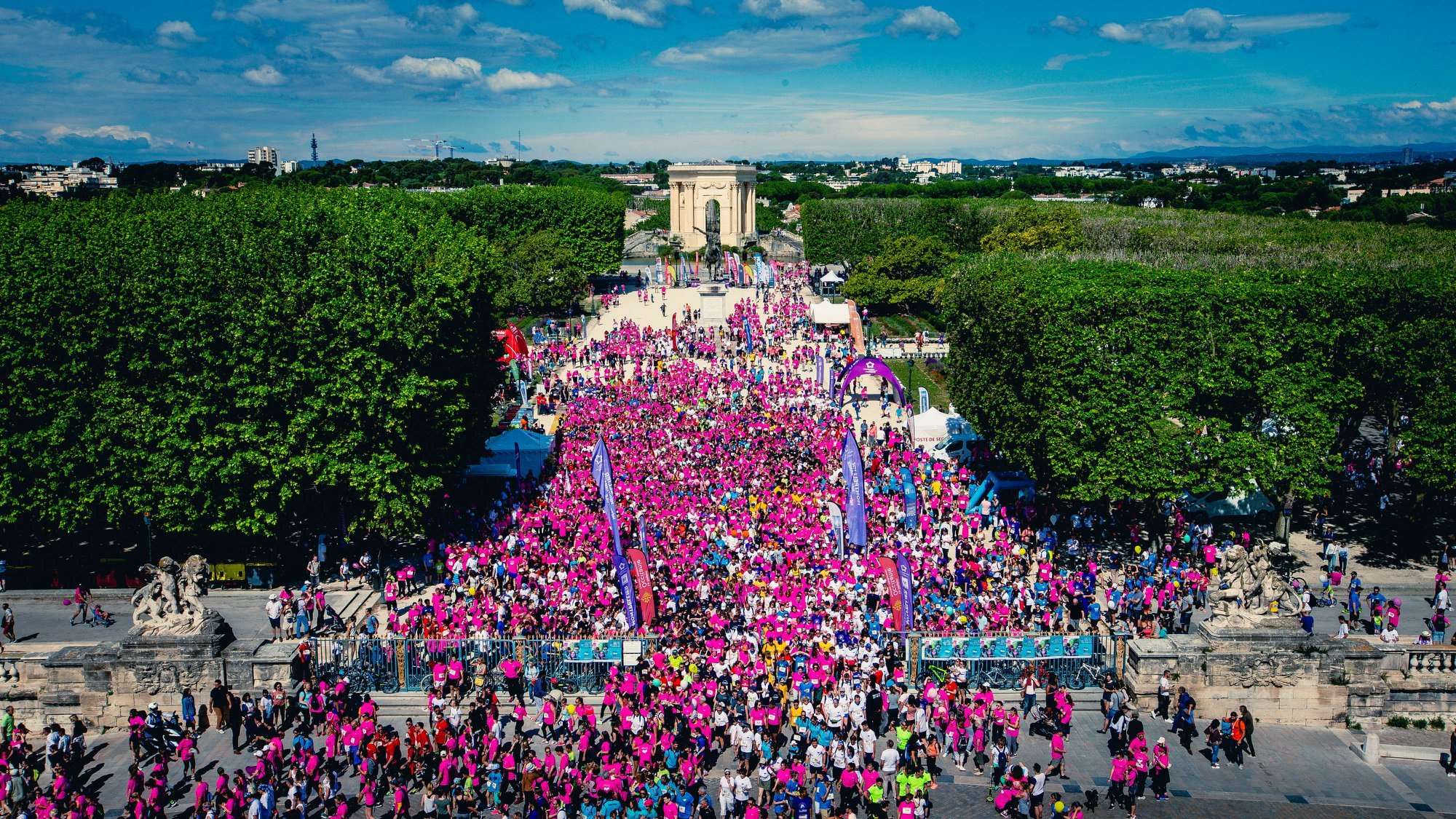
The emergence of numerous sporting events takes place within a specific social context. The emergence and growth of community-based and charitable events demonstrate a strong commitment on the part of the
organizers to move toward a more supportive, inclusive, and responsible society. A 2020 study reveals that “mutual aid, volunteerism, and community involvement have a beneficial effect on the well-being of the community as a whole” (Davoine, 2020: 78). In other words, sports and sporting events evolve alongside society (Bolz, 2014) thanks to the efforts of their organizers. Historically, sporting events were not created for performance or entertainment, but to unite people and foster a sense of brotherhood. The history of sporting events began in the 1870s with the organization of federal festivals, whose purpose was to bring athletes together around a national identity and foster a strong sense of belonging (ibid.). Subsequently, Pierre de Coubertin founded the Modern Olympic Movement (Zintz and Winand, 2013) and the International Olympic Committee (IOC). Then, in 1896, the first Olympic Games (OG) of the modern era took place. These Games have continued to evolve and modernize since their inception. The advent of the OG gave rise to “performance-oriented sports,” particularly through the creation of institutional groups strongly focused on performance. In 1975, the French government promoted the “elite/high-performance athlete” category under the so-called Mazeaud Law (Fleuriel & Schotté, 2015). Subsequently, activities diversified, and new recreational sports emerged, along with the professionalization and commercialization of sports (Zintz and Winand, 2013). Today, access to sports activities is easier, sports practices are diversifying, and recreational and health-oriented sports are growing significantly.
It is thanks to this new spirit of diversity, inclusion, and mutual support that solidarity- and charity-based sporting events have grown and become an established part of society. Today, there are various ways to classify sporting events (Gresser and Bessy, 1999; Downward et al., 2009; Ferrand and Chappelet, 2015; Bessy and Suchet, 2016; Bourbillères, 2017). In each typology, events are classified according to various criteria (date the event was created, duration, location, for-profit or nonprofit status, media coverage, original intentions, etc.). These criteria then make it possible to create event categories such as sports competitions, sports spectacles (shows), mass-participation and elite sporting events, events in which sports are the primary purpose, and events in which sports serve as a tool. It is within this last category that we can place solidarity-based and charitable sporting events.
How can solidarity be linked to this type of event? The concept of solidarity has been studied by numerous authors and sociologists (Alfred Fouillé, Émile Durkheim, Léon Bourgeois). It developed during the19th century as a way to rethink the social bond between individuals following the French Revolution (Blais, 2008). In 1802, within the progressive movement, the term “solidarity” referred to a society likened to a body in which no part can survive without the others. In the Judeo-Christian tradition, solidarity serves to counter the rise of an individualistic society and upholds the values of sharing and unity (ibid.). This, in fact, is what organizers of solidarity-based and charitable sporting events seek to achieve. There are therefore various interpretations of this idea of solidarity, the goal being to strive toward a positive, “conscious and voluntary” solidarity (Sägesser, 2009: 11) that promotes cooperation, collaboration, and the common good. The term “charitable,” for its part, derives from the word “charity,” which “refers to almsgiving and voluntary offerings” (Benthall and Sanchez, 2018: 1). In the Middle Ages—and long before—this term was defined by the material aid provided by the wealthy to the poor. Strongly encouraged by the Church, many individuals helped those in need, believing that this would open the gates of paradise for them (Fonseca, 1986). Pierre Leroux draws a direct link between these two terms: “I wanted to replace Christian charity with human solidarity” (Leroux, 1863: 254).
Solidarity, charity, celebration, well-being, and sharing are at the heart of these events and attract a new and diverse audience (Bessy, 1995). This combination of sports with solidarity and charitable events brings people together by fostering social bonds among different communities, offers a new way to participate in sports, evokes powerful shared emotions, and simply promotes a humanistic approach. Today, sports event organizers seek to convey values and give meaning to their actions by supporting a cause of solidarity: they have the power to act on behalf of that cause. The concept of “power to act” refers to “the ability to bring about a desired and defined change” (Vallerie and Le Bossé, 2006: 89). The goal is to “restart momentum where there is a standstill” (ibid.: 89) and to open up new possibilities for the causes they champion. Their power to act is thus legitimized by their life experiences, their involvement in organizations, and their commitment.
Activism: The Heart of the Event
The initiative taken by these organizers could therefore be considered an act of activist engagement, defined as “any form of sustained participation in collective action aimed at defending or promoting a cause” (Sawicki and Siméant, 2009: 97). This could represent a new form of engagement. Indeed, forms of engagement are changing (Quéniart et al., 2008) and evolving alongside society and the generations. Today, activist engagement is primarily organized around the new challenges facing society: the environment, equality, and social justice (Pronovost and Royer, 2004; Quéniart et al., 2008; Quéniart, 2016). Through responsible, “organic,” local, and “zero-waste” consumption, everyday life is at the heart of everyone’s activism (Labadie, 2005) and can now be considered a new form of activism. There is no such thing as “activist purity”; everyone engages in activism in their own way and on their own scale. Activists want to “take action, here and now” (Ion, 2005) without waiting for political or economic institutions to change. Organizing a solidarity-based and charitable sporting event could therefore be part of this new form of engagement. We could consequently describe these organizers as activists. This approach is part of a specific process known as an “activist career ” (Becker, 1985). In the sociology of activism, an activist career is defined as a “social activity that unfolds over time and involves phases of recruitment, sustained engagement, and defection” (Fillieule et al., 2009: 85–86). In the scholarly literature, this career consists of a “succession of phases, behavioral changes, and shifts in the individual’s perspectives” (Becker, 1985: 46). These behavioral changes are partly linked to an individual’s social structure, leading to a “transformation of identities” (Fillieule et al., 2009). In sociology, several concepts explain these various changes: a “moral shock,” a “turning point,” or a “decisive event.” Generally speaking, these different terms refer to a “type of social experience” (ibid.: 101) undergone by an individual following unexpected changes in their life. This social experience is believed to be the reason for embarking on an activist career. Indeed, in a previous study, we found that the activist careers of the organizers interviewed were triggered by a moral shock (Beaumont, 2021). This moral shock is, of course, unique to each organizer. One of them decided to change his lifestyle following a trip to the United States, where he “was appalled by the sight of all those cans along the road.” Another experienced a profound failure, “a failure that led [her] to look elsewhere.” The disability of one of her children was also a trigger for one of the organizers: “You feel lost; your world is falling apart , ” “until the day when […] you come to terms with the fact that your son might die before you.” Finally, one of the organizers is fighting cancer because “unfortunately, many people around [her] have died of cancer, and it just felt like the right thing to do.”
However, according to Sommier (2008), “there is no single date or key event that could explain this commitment, but rather several that make sense in relation to one another.” Moral outrage, therefore, is not the only trigger for embarking on a career in activism. What other factors encourage people to become activists? The objective of this study is to explore the other factors that encourage people to embark on a career in activism.
Life Stories to Understand Life Paths
In order to understand individuals’ life trajectories, life narratives were collected. Life narratives allow researchers to obtain “rich and in-depth accounts” (Sanséau, 2005: 34) and “to shed light on processes” (Paugam, 2010: 38). The main objective of this type of interview is to examine and explore individuals’ pasts by establishing a relationship of trust, encouraging the interviewee to open up and express themselves more freely (Imbert, 2010). Through this qualitative method, we aim to study a social phenomenon (ibid.). The objective of this method is to understand and interpret human behavior, life experiences, perspectives, and their meanings (Anadón, 2006).
For this study, four organizers of charitable and community-focused sporting events were interviewed. The diversity of the interviewees is an important factor, as it provides a wealth of perspectives. The decision to include organizers working on different causes allows us to observe similarities and differences in their commitment depending on those causes. Women and men from different generations were selected to provide a more comprehensive perspective and to take into account different life contexts.
An interview guide was prepared in advance to structure the conversation. It is based on a list of questions and follow-up prompts designed to help the interviewee express themselves and, above all, cover all the topics. The first topic focused on their charitable sports event as well as their personal journeys. This helped us understand how and why they had become involved in this field, and what they hoped to convey through their event. The second topic concerned their athletic careers, their perceptions of sports, and how sports relate to their projects. The final topic addressed their activism. This topic allowed us to ask the organizers about their perception of activism in general, their activist involvement in various fields, and their lifestyle.
Each interview was recorded using a phone and then transcribed. They lasted between 37 minutes and 2 hours and 28 minutes. One of the interviews was conducted over the phone; the other three were conducted in person (at the person’s home, at their workplace, and outdoors). Due to work commitments, the duration of the meeting was shortened for two of the interviews.
Different life paths shaped by activism
Table 1 shows the gender and age of the respondents, the type of event organized, the cause supported, and a brief description of the organizers. This overview reveals a diversity of profiles among the respondents: two women and two men, from different generations, supporting a variety of causes. This information helps us understand the similarities and differences among the individuals.
| Manual | Alba | Martin | Paloma | |
| Genre | Man | Woman | Man | Woman |
| Age | 28 years old | 51 years old | 68 years old | 41 years old |
| Solidarity Challenge: | 3 races: 5 km, 10 | |||
| Event Type | Travel as many kilometers as possible while picking up trash | A 4.5-km charity run | km and 21 km Routes that are accessible to everyone and adapted | All-Women's Multisport Race |
| Cause championed | Protecting the Planet: Raising Awareness and Respect for the Environment | Combating, Raising Awareness of, and Preventing Breast Cancer | Inclusion of People with Disabilities | Breast Cancer Prevention and Protecting the Planet |
| Information About the Organizers | Young activist, recently involved | A highly dedicated advocate for equality and women's role in society | A modern activist committed to spreading the good news | Athlete and activist in a career transition |
An activist career linked to a personal identity
According to Becker (1985: 46), an activist career is a “succession of phases, changes in behavior, and shifts in the individual’s perspectives.” These changes in behavior are partly linked to shifts in an individual’s social structure, which then lead to a new identity. The organizers’ activist commitment compels us to go beyond the objective dimension of an activist career and to “introduce the subjective, lived, and psychological dimension” (Dubar, 2015: 105), which is strongly linked to an individual’s personal identity. They “become different, never quite the same as before” (Sébastien, 2006: 1). Identity is not fixed and does not depend solely on the individual; rather, it can vary depending on interactions, social structure, or context (Ghadiri, 2014). “Our identity is subject to change, and these changes can come from others” (ibid.: 39). Identity can be defined by the answer to the question “Who are they?” (Ghadiri, 2014). We must therefore seek to understand who these organizers are and identify which elements of their life experiences have been decisive in shaping their identity.
Manuel’s gambling addiction is a major part of his life story . “It became like a drug, […] as soon as there was a coin in the machine, I was like someone addicted to something.” This particular relationship with money goes back even further. Manuel comes from a family where the value of work and the importance of money are very much emphasized. According to him, he lived under “the dictates of society and his parents: school, work, and money.” This addiction led to dependence, isolation, and lying in the face of the “family pressure” he felt. It was during a trip to the United States that Manuel completely changed his lifestyle and worldview.
“The journey is definitely what […] changed and transformed everything , ” “Today I know I don’t need money […] to live life to the fullest” (Manuel). He says he is very different from the person he used to be. This new identity led him to launch a new environmental project aimed at “bringing people together around a meaningful cause” and “spreading and showcasing positivity.” So he decided to run for the planet by picking up trash alongthe way.¹ He describes this as a “simple action” that anyone can do, one that “allows him to combine it with sports” and “give meaning to [his] accomplishments” (Manuel). We note that every aspect of Manuel’s life journey is linked to his commitment and has played a major role in shaping his new identity.
Unlike Manuel, Alba’s identity has always followed the same guiding principle. From a very young age, Alba has wanted to “give her time to others.” She created this event on her own and with her own money.
“No one believed in it,” but “the more people tell me ‘no,’ the more I go for it. When I’m sure my idea is a good one, I go for it.” She comes across as a strong, determined personality dedicated to the feminist cause. Women are at the heart of many of her projects: “I really wanted to help women; I really wanted to raise money and give it back to advance research” (Alba). This committed woman founded a feminist group that fights against inequality: “I’ve always been a feminist; I’ve always told myself that we’re half of humanity and that we’re being forgotten.” Raised by two women who kept their relationship a secret, Alba has always wanted to give women a voice and fight for all women who are victims of assault or provocative remarks.
Her professional experience as a law enforcement officer has made Paloma a champion of justice and equality. Just like Alba, this organizer puts women at the center of her event: “I pay a lot of attention to women […] When these women come to the races, I want them to let loose […] and think only of themselves” (Paloma). This athlete, a former winner of a famous adventure sports TV show, decided to create an event for women.
Both organizers, each in their own way, place women at the heart of their event. These women’s determination and sense of identity are very strong and are truly reflected in their event. Anne Quéniart (2016) shows that activist engagement forges a link between an individual’s thoughts and actions. In other words, these women directly connect their identity, their values, and their actions. The desire to raise awareness and prevent this disease has guided their event toward sports and the values it embodies. Generally speaking, these women are deeply concerned about women’s place in society and are directly affected by it. For them, activism is “a privileged means of constructing and affirming identity through which solidarity ultimately finds its meaning” (ibid.: 59). Through their activism on behalf of all these women, Paloma and Alba are also advocating for themselves.
Martin's identity and activism have been shaped by his role as a father. His career as an activist has been driven by his fight for an inclusive society.
“For me, it’s important to get involved with this disability, to try to do my small part” (Martin). His identity is shaped by his son’s disability, the social context in which we live, and all the interactions that result from it. He wants to show that behind a disability, there is a human being. His goal is “to change the way people view disability […], to say, ‘Come on, give it a try—stick your head over the wall, look on the other side—you’ll see, there are interesting things to see!’ ” (Martin). This organizer wants to bring together people with disabilities and so-called able-bodied people for a time of fellowship, sharing, and solidarity—and, in his view, “sports are the crown jewel of this” (Martin). The struggle he waged alongside his son and for his son has shaped Martin’s identity today. Indeed, activism develops alongside individual identity (Willemez, 2004); “commitment is nourished by the past and by various social ties that make the activist who he is today” (ibid.: 71).
An individual’s values and beliefs are at the heart of their commitment and identity. Indeed, “the many facets of commitment call into question a person’s identity: the cause they champion is based on values that are dear to them” (Gagnon, 2005: 59). We observe in the statements of all the organizers a desire to convey a message and values through their event. “The causes that drive them are linked to their identity” (Quéniart and Jacques, 2009: 240) and have led them to pursue this career in activism. We generally observe that these individuals’ commitment is centered on others. These organizers want to contribute to social change (Quéniart, 2016).
Previous negative experiences and a sense of injustice
Activists’ past experiences are at the heart of their commitment. Some are positive; others, less so. Some authors discuss negative past experiences (Lestrelin, 2015). Indeed, the transition to activism in Paloma and Martin’s life stories was marked by a disappointing experience. Before creating her own women’s treks, Paloma participated in similar treks: “I saw in other treks that they were too business-oriented, that they preferred to cut corners at the expense of women rather than focus on quality” (Paloma). This disappointing experience has now enabled her to create treks based on different criteria and to pay “ a great deal of attention to women” (Paloma) so that they feel supported, free, and respected. Before launching his own project, like Paloma, Martin was a member of various associations led by “veterans”… However, ideas weren’t evolving, and the organization was stuck in an outdated system. “I’m not here to tell you ‘yes’; I’m here to tell you ‘that pisses me off, that’s not right, that’s not good’” (Martin). So he created his own organization to avoid repeating what he had experienced in others.
These life experiences can be likened to the concept of “bifurcations.” In sociology, the term “bifurcation” refers to “a sudden, unexpected, and lasting change” (Hélardot, 2006: 66). Manuel’s life journey features a significant bifurcation that can indeed be described as “sudden” and “lasting .” He went through a long period of gambling addiction that was very difficult for him: “Sometimes I was in a total depression […] even to the point of having suicidal thoughts at times” (Manuel). For a long time , he lived in isolation and a web of lies. This disruption in his life journey allowed him to take a different personal path: “the day I talked about it […] well, that’s when my life began” ( Manuel). Today, that experience has made him the committed man he is: “It led me to that transition […] to take on this project […], to do things that have more meaning […] for me or for others” (Manuel).
This change in direction and shift toward activism can also be triggered by a sense of injustice (Larzillière, 2018). “I had this sense of injustice that made me look in a different direction” (Paloma). This organizer of women’s adventure races perceived this injustice as a professional failure. To combat this, she now makes a living from her passion: “I live passionately through what I do” (Paloma). This woman’s activism began with that sense of injustice, which is now part of her identity and has shaped her into the activist she has become. The injustice Martin experienced was different.
Having a son with a disability made him realize that there are many shortcomings in society when it comes to issues related to disability.
“There are almost 600 kids who don’t have a place to go because there’s no room” (Martin). The need to take action and advocate for change in society then became Martin’s primary motivation. Alba also experienced this sense of injustice and unease when she worked in the hospitality industry. “One day I realized that this line of work […] was too misogynistic, so I got fed up with it. […] Career advancement was completely different depending on whether you were a woman or a man […] so I decided to quit altogether” (Alba). This inequality shaped her into the activist she is today, because “emotions shape the activist’s path” (Jacquemart, 2020: 51).
These past experiences are sometimes linked to a sense of injustice and, at other times, to a sudden change in lifestyle, thereby bringing about an immediate change in a person. Each organizer has experienced something unique in their life journey that led them to create a sports event focused on solidarity and charity.
Standing to Sue and Interest in Suing
Women’s place in society is an extremely important issue for Alba, and many things have long outraged her. The story of a female student she met left a deep impression on her. This young woman, from a family where women’s roles are subordinate to men’s authority, “wasn’t allowed to do anything ,” but “she fought […] against her parents so she could go to college” (Alba). She therefore decided to start a feminist group called “Les Pétroleuses.” “I’ve always told myself that we’re half of humanity, that we’re being forgotten. Even on the French flag […] liberty, equality, fraternity. Fraternity means ‘brother,’ right? Why don’t they put ‘humanity’ instead? Look, I don’t want people to say ‘sorority’ […] but ‘humanity,’ you know, […] I think it’s so important” (Alba). As an organizer of solidarity events, as a teacher, mother, and woman, this commitment is for her “a responsibility for the future of society” (Quéniart and Jacques, 2009: 49). She acts, certainly in her own interest as a woman, but she also acts on behalf of all other women.
Martin, the father of a young man with a disability, is fighting for the place of people with disabilities in society. Unfortunately, disability is still a difficult topic for some people to address today, because there is too much “apprehension towarddisability”2. Through his charity sports event, Martin is working to improve the image of disability in society and change the way people view this issue. He organizes sports and cultural events (concerts, theater) to “immerse them in the general public […], bring them into contact with others, and let the integration happen” (Martin).
In their study on the political engagement of young women in Quebec, Anne Quéniart and Julie Jacques (2001: 49) demonstrated that “the driving force behind their ability to take action is, above all, their convictions and the cause they believe in” and that “this cause is linked to broader social change.” Indeed, all the organizers interviewed have the “power to act for social change” (ibid.: 48). The actions of these organizers perfectly illustrate the points made by these two authors: “Meeting people, talking to them, raising their awareness, and building connections are, for them, both the reason they get involved and what they gain from activism” (ibid.: 50). Martin’s legitimacy gives him the power to work toward an inclusive society in which people with disabilities will be able to “access just about everywhere,” but in his view, “the challenge is less daunting when you have that acceptance from the public because […] they can integrate into society normally with adapted positions” ( Martin). Manuel’s actions, focused on the environment, help address current environmental issues. He wants to “set an example in many areas” and supports “new movements that are emerging or growing” because, in his view, the fight is far from over. Everyone must take action at their own level to bring about change. Through his organization, Manuel has fostered a genuine passion for these environmental issues and has the power to act for the planet in his own way.
These organizers feel a sense of responsibility to act on behalf of society. The cause they have chosen to champion is tied to their personal journeys and lends legitimacy to their actions. Through their commitment, they have chosen to work toward a society that is more united, more inclusive, and more altruistic.
Any new activists?
Charity and solidarity-based sporting events allow organizers to advocate for a cause that serves society. This type of event could thus be part of a new form of activist engagement. Martinot-Lagarde and Hériard-Dubreuil (2008) proposed a typology of the different forms of engagement. This typology includes three models of activist: “the professional activist,” “the liberal activist,” and “the pragmatic activist.” This last category, the most recent, is the one that most closely resembles the organizers interviewed. The pragmatic activist “always starts from an experience that moves him emotionally” (ibid.: 52). Indeed, each organizer’s activism was shaped by a very specific event. Their involvement was then shaped by that lived experience. This activist “is moved by a situation, begins to get involved, and then discovers the complexity of the situations” (ibid.: 52). Martin, the father of a child with a disability, became involved for his son’s sake: “My commitment is through my son” (Martin). In the literature, these new forms of engagement are linked to the generation of activists (Labadie, 2005). However, the four organizers interviewed do not belong to the same generation and yet have decided to become involved in the same way. This new form of engagement is therefore not solely linked to the activist’s age. These organizers have decided to commit to a cause that serves society, each in their own way, but always with a common goal: to make their voices heard by conveying their desire to change the status quo and take a leap toward a society that is more inclusive, more egalitarian, and more environmentally friendly.
Conclusion and Operationalization
In recent years, we have observed the growing success of charitable and community-focused sporting events, particularly due to the rise of recreational sports. More and more organizers are getting involved in these types of events to advocate for a charitable cause. The concept of an activist career has been extensively studied in the scientific literature, but very little research has linked it to sporting events. This study focused on the reasons why organizers of these types of events transition to activism. Moral outrage, which has been extensively studied in sociology, is a major factor in entering an activist career, but it is not the only one. This study therefore examined other factors that lead to the start of an activist career. The results show that activist engagement is an identity-forming phenomenon directly linked to the social context in which we live and to individuals’ life trajectories. A sense of injustice, linked to negative life experiences, can also be a driving force behind this activist career. The organizers’ life trajectories have brought about numerous changes in the way they view and understand the world. Through this new form of activism, they now have the power to take action and advocate—simply and on their own scale—for a sports project that unites and brings people together.
Bibliography
Anadón, M. (2006). So-called “qualitative” research: From the dynamics of its evolution to
undeniable achievements and current questions. Qualitative Research, 26(1), 5–31. Beaumont, Y. (2021). Activist Engagement in Solidarity Sports Events. 171.
Becker, H. S. (1985). Outsiders ( [original ed., Outsiders, New York (N.Y.), 1963]). Éditions Métailié. https://doi.org/10.3917/meta.becke.1985.01
Benthall, J., and Sanchez, A. (2018). Charity. Cambridge Encyclopedia of Anthropology. https://doi.org/10.29164/18charite
Bessy, O. (1995). The Médoc Marathon, or the Carnival of Running. In J.-P. Callède (Ed.), Sport, Celebration, and Society
(pp. 127–133). Maison des Sciences de l’Homme d’Aquitaine. https://doi.org/10.4000/books.msha.13427
Bessy, O., and Suchet, A. (2016). A Theoretical Approach to Sports Events. Mondes du tourisme, 11. https://doi.org/10.4000/tourisme.1023
Blais, M.-C. (2008). Solidarity. *Le Telemaque*, no. 33(1), 9–24.
Blin, É. (2012). Sports and Festive Events: The City in the Age of Marathons and Half-Marathons. Annales de géographie, 685(3), 266. https://doi.org/10.3917/ag.685.0266
Bolz, D. (2014). The Event in the Cultural History of Sport: An Essay on Historiography. Movement & Sport Sciences – Science & Motricité, 86, 81–91. https://doi.org/10.1051/sm/2013107
Bourbillères, H. (2017). Territorial Impacts of Sporting Events in Paris (2013–2016): An Approach Based on
local dynamics.
Davoine, L. (2020). V. Institutions, Policies, and Values: Vol. New Edition ( pp. 75–92). La Découverte.https://www.cairn.info/economie-du-bonheur–9782348054648-p-75.htm
Downward, P., Dawson, A., and Dejonghe, T. (2009). Sports Economics: Theory, Evidence, and Policy. Routledge.
Dubar, C. (2015). Socialization: The Construction of Social and Professional Identities. Armand Colin; Cairn.info.https://www.cairn.info/socialisation–9782200601874.htm
Ferrand, A., and Chappelet, J.-L. (2015). “Smaller Is Beautiful”: Toward Smaller Sporting Events? Reflections and Perspectives on Economic Life, LIV(3), 111. https://doi.org/10.3917/rpve.543.0111
Fillieule, O., Mathieu, L., and Péchu, C. (Eds.). (2009). Dictionary of Social Movements. Presses de la Fondation nationale des sciences politiques.
Fleuriel, S., and Schotté, M. (2015). Athletes Without Qualities? The Origins of the State-Led Model for Producing Elite Athletes
French. Sociologie du travail, 57(4), 422–445. https://doi.org/10.4000/sdt.1201
Fonseca, C. (1986). Homeless People and Charity Workers: A Case Study in Paris. *Ethnologie française*, new series, Vol. 16, No. 4, 391–400.
Gagnon, É. (2005). Social Engagement, Identity Engagement—Women’s Life Courses. Social Work, 44(1), 49–67. https://doi.org/10.7202/706680ar
Ghadiri, D. P. (2014). When Change Threatens Identity: Management, Vol. 39(1), 38–47. https://doi.org/10.3917/riges.391.0038
Gresser, B., and Bessy, O. (1999). “Managing a Sporting Event,” in Gisèle Lacroix and Anne-Marie Waser (eds.).
Sports Management: 15 Case Studies with Answers.
Hélardot, V. (2006). Career Trajectories and Health Histories: An Analysis from the Perspective of Bifurcations: Cahiers internationaux de sociologie, No. 120(1), 59–83. https://doi.org/10.3917/cis.120.0059
Imbert, G. (2010). The Semi-Structured Interview: At the Intersection of Public Health and Anthropology. Nursing Research, No. 102(3), 23–34. https://doi.org/10.3917/rsi.102.0023
Ion, J. (2005). Chapter I. When Forms of Engagement in the Public Sphere Change. When Young People
get involved. Between experimentation and identity-building, 23–33.
Jacquemart, A. (2020). Commitment at the Risk of Emotions: Suffering and Happiness in the Life Courses of
feminist activists. Sensibilités, No. 7(1), 40–53. https://doi.org/10.3917/sensi.007.0040
Labadie, F. (2005). Chapter III. Modernity and Youth Engagement. When Young People Get Involved. Between
Experiments and the Construction of Identity, 55–68.
Larzillière, P. (2018). A Sense of Injustice and Engagement: Activist Expressions of Moral Conflicts in Context
coercive or authoritarian. Cultures & Conflicts,110–111, 157–177. https://doi.org/10.4000/conflits.20382
Leroux, P. (1863). The Strike at Samarez: A Philosophical Poem. ( Vol. 1). Dentu. https://gallica.bnf.fr/ark:/12148/bpt6k109191f
Lestrelin, L. (2015). On the Benefits of Comparing Fan Careers to Activist Careers. Social Sciences and Sport, 8(1), 51–77. Cairn.info. https://doi.org/10.3917/rsss.008.0051
Martinot-Lagarde, P., and Hériard-Dubreuil, B. (2008). New Forms of Engagement. Projet, No. 305(4), 48. https://doi.org/10.3917/pro.305.0048
Paugam, S. (2010). The 100 Words of Sociology ( Issue 3870). Presses Universitaires de France; Cairn.info.https://www.cairn.info/les-100-mots-de-la-sociologie–9782130574057.htm
Pronovost, G., and Royer, C. (2004). The Values of Young People. PUQ.
Quéniart, A. (2016). “Young Activists: Influences, Motivations, Timeframes” in Nicole Gallant and Stéphanie Garneau (eds.), *Youth and Political Action: Participation, Protest, Resistance* ( pp. 61–85). Presses de l’Université Laval.
Quéniart, A., and Jacques, J. (2001). Political Engagement Among Young Women in Quebec: From Responsibility to the Power to Bring About Social Change. *Lien social et Politiques*, 46.
Quéniart, A., and Jacques, J. (2009). Trajectories, Practices, and Meanings of Engagement Among Young People Involved in Various Forms of Social and Political Participation. Politique et Sociétés, 27(3), 211–242. https://doi.org/10.7202/029853ar
Quéniart, A., Jacques, J., and Jauzion-Graverolle, C. (2008). Consuming Differently: A Form of Political Engagement
among young people. *Nouvelles pratiques sociales*, 20(1), 181–195. https://doi.org/10.7202/016984ar
Sägesser, C. (2009). Human Rights. CRISP Reports, No. 73(2), 9–96.
Sanséau, P.-Y. (2005). Life narratives as a strategy for accessing reality in management sciences: Relevance, positioning, and analytical perspectives. Recherches Qualitatives, 25(2), 33–57.
Sawicki, F., and Siméant, J. (2009). Breaking Down the Compartments in the Sociology of Activism. A Critical Note on Several
Recent Trends in French Labor Studies. Sociology of Work, 51(1), 97–125. https://doi.org/10.4000/sdt.16032
Sébastien, H. (2006). The Concept of Personal Identity in Sociology. An Analysis of Identity Construction Based on the
engagement process. . . L, 5.
Sommier, I. (2008). Revolutionary Violence. Presses de Sciences Po; Cairn.info.https://www.cairn.info/la-violence- revolutionnaire–9782724610628.htm
Vallerie, B., and Le Bossé, Y. (2006). The Development of Empowerment in Individuals and Communities: From Experimentation to Teaching. *Les Sciences de l’éducation – Pour l’Ère nouvelle*, Vol. 39(3), 87–100. https://doi.org/10.3917/lsdle.393.0087
Willemez, L. (2004). *Perseverare Diabolicum: Activist Engagement in the Face of Social Aging*. *Lien social et Politiques*, 51, 71–82. https://doi.org/10.7202/008871ar
Zintz, T., and Winand, M. (2013). Sports Federations. CRISP Weekly Newsletter, No. 2179(14), 5. https://doi.org/10.3917/cris.2179.0005
1 This is commonly known as “plogging”
2 Senate Information Report No. 648: “Culture and Disability”