Esports: An Opportunity for Growth in the Tourism Sector Through Spectator Sports
On January 21, 2023, video game publisher Riot Games announced that the finals of the 2023 League of Legends EMEA Championship (LEC) season will take place in Montpellier at the Aréna Sud de France on September 10 in front of more than 14,800 spectators. The capital of the Hérault department will thus be the first city outside of Paris to host a major event for the flagship game of global esports.
The organization France Esport[1] publishes an annual report on esports in France. According to the 2022 edition, based on a survey of 7,071 internet users aged 15 and older, esports has 10.8 million consumers or participants, representing 22% of internet users. More than half are exclusive consumers (12% watch competitions without playing), while the remaining 10% are split between exclusive players and those who are both players and consumers.
The Pipame[2] report reveals that esports in France generated 50 million euros in revenue in 2019, placing the country in second place in Europe. Compared to volleyball, a popular traditional sport, esports generates higher revenue. Investments in esports increased by 24 million euros from 2017 to 2019, confirming its growing economic significance. The Pipame also highlights the factors supporting the future development of esports, while a 43% increase in public interest over the course of a year underscores its significant impact on tourism. These figures underscore the emergence of esports as a major economic sector in France.
Parlebas (1999) refers to “sportification” as the process by which a game becomes a sport, defined as a codified set of institutionalized physical activities. Esports competitions, organized into leagues by game publishers, intrinsically reflect this process of “sportification” inherent in the term “esports.” Esports, although digital, can therefore be considered a sporting activity that can be part of a process of sports tourism. Drawing on the definitions by Gibson (1998) and Pigeassou (2004), Lapeyronie (2009) notes that “The concept of sports tourism is analyzed in different ways. It is, in fact, polysemic in that it can be understood as traveling to practice a sport, traveling to attend a sporting event, or even practicing a sport at one’s vacation destination.”
The evolution of esports as a business ecosystem and a societal phenomenon connected to its consumers thus allows us to situate it within the context of sports tourism through the lens of sports entertainment.
A business ecosystem centered on sporting events for a “customer” audience
Structuring the Ecosystem
Moore (1996) defines the business ecosystem as an economic community in which interactions between companies and individuals or organizations in the business world create value for their customers, who in turn become active participants in the ecosystem. Core companies play a leadership role by sharing their vision to bring stakeholders together and foster investment and mutual support.
Moore (1996) identified three levels of interaction, which Besombes (2019) adapted for the esports ecosystem. The “core business” includes direct suppliers, distribution channels, and core competencies, which, in esports, encompass competitive video gaming, leagues and tournaments, and professional players. “Extended businesses” include product and service providers and customers—in this context, the game publisher, media broadcasters, esports clubs, investors, and fans/spectators. And “the ecosystem,” as defined by Goethals (2020, p. 13), encompasses all indirect stakeholders, such as streaming platforms, player agents, and facilities hosting tournaments and leagues, among others.
The esports ecosystem, characterized by the fluidity of its participants, attracts sponsors from outside the video game industry, such as Aldi, Michelin, and Fitness Park. According to Besombes (2019), the esports audience/fans play a key role by interacting with all stakeholders in this ecosystem.
Esports is therefore shifting toward the organization of sporting events, aligning its practices with the “sports business,” according to Maltese et al. (2016), in order to address the challenges associated with audience size.
Identifying the audience as “customers”
At an esports event, the spectator experience is the ecosystem’s top priority. According to Theodorakis (2014), the key elements of the customer experience in a sales context are: the social environment, the service interface, the atmosphere, the presentation of the product or service, a price perceived as fair, the customer’s experience across various consumption channels, and brand image—which refers to the interaction between brand perception and the customer during the sale.
Glebova & Desfontaine (2020) elaborate on this study of customer experience success in the context of sporting events by examining the determinants of functional, outcome, and social elements. A sporting event is thus an experience that must be designed to meet the needs and expectations of the spectator. According to Theodorakis’s study (2014), it is therefore essential to collaborate as closely as possible with spectators in organizing the event to ensure that their experience is satisfying. Glebova & Desfontaine (2020) draw on the study by Biscaia et al. (2018) on fans’ sense of belonging to explain that “psychometric properties such as ‘internal legitimacy’ are significantly linked to intentions to attend more matches and purchase branded merchandise.” Stakeholders in the esports ecosystem therefore have every reason to position spectators as the primary architects of the experience, as this will lead to substantial economic benefits both before and after the event.
Technology strengthens the sense of belonging by facilitating interaction between spectators and professional players, as well as among members of the audience. Glebova & Desfontaine (2020) highlight the impact of streaming sites and social media, which offer alternative ways to experience the action, follow, and discuss sporting events while strengthening this emotional connection. Both of these tools are widely used by the esports community. This goes hand in hand with the fact that the majority of this audience belongs to “Generation Z”[3].
As esports is the pioneering sport in combining sports and technology
in sports entertainment, it has become a significant opportunity for economic development and societal
. This article will therefore explain how the rise in popularity of esports illustrates a new approach to sports entertainment that focuses on the experience of customers who are part of a digital generation.
Methodology
The study is based on qualitative data. Initially, three semi-structured explanatory interviews—one in person and two via videoconference, each lasting between about 40 minutes and an hour and a quarter—were conducted.
The purpose of the interviews was to discuss the respondents’ experiences as esports fans. Two interviews were therefore conducted with esports fans: one who had been involved in the scene for several years (Orens, an “ultra”[4] for Solary, a French esports team founded in 2017) and one who had joined the scene just a few months earlier (Matthieu, an “ultra” for Karmine Corp, a French esports team founded in 2020). The interview with the third respondent (Thomas, president of the Royals 212, Solary’s fan club) was a natural choice, as his role placed him halfway between a fan and an organizer.
These interviews were conducted using an interview guide that addressed several topics, such as: the respondent’s status, their understanding of the esports ecosystem, their experience as an esports fan, and their perspective on esports as a spectator sport and tourist attraction. The topics, however, became more specific as the interviews progressed. More general topics, such as esports and esports events, replaced certain topics that were too specific and difficult to address in the discussion—such as the role of competitive video games in the respondent’s life or the functioning of the esports ecosystem. One final topic was added to the questionnaire during the last interview: the role of president of an esports fan club, a topic directly related to the respondent’s background.
The qualitative study continues with a comprehensive opportunistic participant observation[5] aimed at experiencing an esports event as a fan to observe the behaviors of those in attendance as well as the services provided by the event organizers. This was conducted during a broadcast of a Karmine Corp[6] European Cup match in League of Legends, organized by the club’s fan association, Le Blue Wall. An observation grid was developed prior to the observation to identify the elements to be observed, which will be used to address the research question.
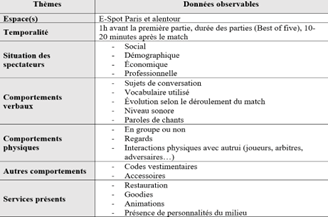
Figure 1: Pre-broadcast checklist for the broadcast of a League of Legends European Championship match by Karmine Corp
Tools within the esports ecosystem to increase the sport’s popularity and develop it as a spectator sport
A replication of the conventions of traditional spectator sports
During interviews and observations, comparisons with traditional spectator sports were frequently noted. The conventions of that sector are adopted by esports stakeholders. According to the studies by Maltese et al. (2016) on this subject, spectator sports must have an emotional and passionate dimension that makes organizations producing sports events highly expressive and media-friendly. This distinctive feature manifests itself through the concept of fan culture in spectator sports. Esports has therefore sought to integrate this concept into its ecosystem since the end of the COVID-19 pandemic. This is initially achieved through visual and auditory cues that reference the team people support. During the observation, these cues were highly visible: jerseys, scarves, chants for the club, and even the presence of a mascot. All these characteristics found at sports events where fans come to support their team are also present in esports events, as Thomas mentioned with “ultras sections,” “ chants,” and “tifos,” which come “straight from the world of professional soccer.” Fan clubs, such as Royals212, subsequently emerged. These fan clubs have their own visual identities featuring the colors of the club they support, as seen during the broadcast of the Karmine Korp match and its fan association, Le Blue Wall, with flags and banners bearing the group’s name. Coupled with the widespread use of social media platforms like Twitter, Discord, or Twitch (via chat[7]) by esports communities, fan culture brings precisely this highly expressive and media-friendly aspect to esports events. The ephemeral nature of esports—which complicates the management of a sporting event—is a challenge that fan clubs working with esports organizations are striving to address. Indeed, esports’ biggest advantage is its ability to remain an entertaining spectacle even from a distance. The “Viewing Party” format was therefore created to address the scarcity and infrequency of in-person “show”-style events, which are increasingly difficult to organize due to time constraints, availability, and other factors… Viewing Parties are thus “hybrid” events that are “halfway between the stadium and the bar.” The match itself does not take place in person, but the audience can gather in one location to cheer on their team, with entertainment, food and drink, and meet-and-greets with public figures, as observed during the event in Paris.
By incorporating its own conventions while respecting the unique characteristics of sports events, esports will meet the expectations of its audience, thereby fostering its financial growth through the introduction of new revenue streams. The return to more traditional conventions also allows the sector to reach an audience familiar with spectator sports, sparking the interest of people like Matthieu who are looking to discover new experiences:“What drew me most to esports wasn’t necessarily the fact that they’re video games, but rather the competitive aspect… It immediately reminded me of soccer… and since it’s brand-new, I thought to myself: ‘There’s everything to be done; I can help shape my club’s history as a fan and all that…’ and given my background as a Sainté fan… Well, obviously that’s something that piqued my curiosity!” This desire to help shape the history of a new club was also evident during the match. The chants led by all the spectators recounted the achievements of the team they supported (already European champions last season) and used vocabulary associated with war, battle, or victory, with people often introducing themselves by mentioning how long they’d been following the club.
The Growth of Spectator Sports Through a Digital Customer Experience
The findings from the various data collection methods (firsthand accounts and participant observation) were compared with the key principles of the customer experience outlined by Theodorakis (2014).
The first concept is that of understanding the spectator’s social environment. During the observation, the vast majority of individuals present were between the ages of 18 and 30 and were part of a small group, accompanied by others, or alone. The unity displayed by all spectators in their singing, dancing, and physical interactions[8] throughout the three-hour match demonstrates how easily groups mingle and interact, even though individuals from the gaming community are known to be shy when it comes to this type of interaction. However, these people are part of one or more online communities that provide them with an extended social environment. These are communities that bring together people from the same social background with shared interests, as Orens put it:“Like, everyone’s constantly chatting on Discord.” Event organizers have therefore clearly identified their audience and know how to use the right communication channels to offer them a tailored experience. Take, for example, “Viewing Parties,” which combine digital tools with in-person events.
The idea that the presentation of the service should reflect variety, uniqueness, and quality is a concept we see in esports events. “Show”-style events like LFL Days[9] reflect uniqueness through their rarity throughout the year —“there were only about two of them, like the KCX[10], in the whole year.” Variety is evident in the different games featured at each event. During our interviews, we discussed four different games: TrackMania, League of Legends, Super Smash Bros. Ultimate, and Rocket League. The most influential esports clubs on the French scene are active in all four of these games (Solary and Karmine Korp), reflecting the variety of content they can offer their viewers:“There’s actually a choice—you’re free to go anywhere, and there’s bound to be something to suit your taste.”
The customer experience across different channels is inevitably a key focus for esports events, since esports is first and foremost a form of entertainment delivered through digital channels, with broadcasts on Twitch— “esports cannot survive without streaming.” But today, this experience also includes “hybrid” or exclusive in-person events—events that might have been hindered by the pandemic, which halted their organization for two years, but which, in the end, served as a catalyst for growth, as Thomas explains:“It’s grown because (…) COVID brought in a huge number of viewers, etc., and as a result, it actually created anticipation for an in-person event, and any event organized—no matter how few seats it has—is bound to be a success today.” The event in which the observation was made is one of many possible hybrid events; it could not have been organized without the technological support provided by Twitch.
Glebova & Desfontaine (2020) contribute additional insights to the study by
Theodorakis on the experience of sports spectators by identifying them as customers. Their analysis focuses on functional, outcome, and social factors. With regard to functional factors (convenience, access, safety, staff, available technologies), esports events fall a bit short. Most are difficult to access for audiences who do not live in major cities, but this does not prevent spectators from making a certain financial, personal, and time investment; this is reflected in the strength of the sector’s social elements (atmosphere, interaction with other spectators, and interaction with the players).
The social elements (atmosphere, interaction with other spectators, interaction with the players) are the main strength of esports. This community phenomenon—created through the use of digital tools such as social media and streaming, and brought together by prominent public figures involved in organizing events—fosters a sense of belonging among spectators and explains “psychometric properties such as ‘internal legitimacy,’ which is significantly linked to intentions to attend more matches and purchase branded merchandise” (Biscia et al., 2018). This phenomenon is evident in the statements of interview participants when they mention people’s willingness to invest financially and personally in attending an in-person esports event, as Matthieu notes regarding himself:“I would have spent my 40 € on the KCX.”Furthermore, during the observation, it was noted that those present were all part of the same community and used social media to share and comment on the match as it unfolded, which facilitates access to the events and interaction among spectators, as noted by Glebova & Desfontaine (2020) in their work.
In summary, esports offers high-quality experiences to its viewers by incorporating all the concepts defined above. This will have a positive impact on the tourism potential of host cities, as Thomas can attest: “In Nice, there were 2,300 of us—when you have 2,000 people flooding into the city to visit, well, that’s actually quite a crowd”; “With Orens, we rent an Airbnb right next to—um… there are hotels that are really close by, and when you have 20,000 people in attendance, not all 20,000 are coming from Paris—especially given how quickly the tickets sold out; it wasn’t just Parisians who logged on to buy tickets.” But this will also make people want to use this type of service again. During the event, the organizers of the broadcast immediately opened ticket sales for the next edition, taking place the following week. Many people showed up to buy their tickets right away, and personally, I wanted to attend despite the distance, but over time, these kinds of events have multiplied throughout France and also in Montpellier.
Conclusion and Operationalization
Esports is a phenomenon that is becoming increasingly entrenched in popular culture, just like other forms of entertainment. It reflects the digitization of society and, above all, the younger generations who were born and raised with these tools. This form of entertainment is driven by an open ecosystem that promotes values of mutual support and community, yet certainly does not neglect to find ways to generate profit. Recognizing their potential and having clearly identified their core audience, esports stakeholders are turning to a new way to grow and popularize their business: esports events. These experiences are offered to viewers who are already online via streaming and social media, bringing individuals and communities together after a pandemic that brought all in-
-person events to a halt but boosted the popularity of live content creation on Twitch—including esports.
This new tourism sector within the ecosystem has achieved instant success, with spectators organizing themselves by following the example of traditional sports fan cultures and creating new organizations under the 1901 Law. This will further strengthen the sense of belonging already fostered by streaming, promoting a unique and high-quality spectator experience. However, since demand has outstripped supply since the onset of the COVID-19 pandemic, there is a need to increase the number of in-person events and competitions outside the regular seasons to revitalize the sector and attract even larger audiences. Unfortunately, this model is heavily dependent on publishers, who have a stranglehold on their games’ ecosystems. Moving these events outside the capital would benefit other local communities by attracting a new, previously sedentary population to spend money before and after the event, much like the LEC finals mentioned at the beginning of this article.
The early stages of these physical events—viewing parties that combine in-person gatherings of the public and communities with remote competition that does not involve decision-makers from event organizations—perfectly illustrate esports as a “para-sport” that adopts certain conventions of traditional sports while adding its digital strengths and the community-driven spirit characteristic of the sector. This hybrid form of esports entertainment benefits the sector’s smallest players—who keep the ecosystem alive—such as fan clubs, the general public, and esports clubs.
It allows them to operate financially by providing a new source of revenue—one that is independent of publishers and competition organizers—and at a lower cost. This will also help raise the sport’s profile among the general public, as venues—such as bars not typically associated with the sport—are becoming regular partners in the “Viewing Parties” held weekly over several months, which represents a significant financial benefit for them as well.
Since this research on the tourism potential of esports events is based on testimonials from stakeholders in the ecosystem, it would be worthwhile to broaden the scope of the analysis on this topic. It would therefore be useful to examine the involvement of local governments and public authorities in the sector. Since esports is constantly evolving, further research into the operations and revenue streams of esports clubs and leagues could also be valuable in determining whether the ecosystem remains on the same trajectory several years after the pandemic has ended.
Bibliography
Anadón, M. (2006). So-called “qualitative” research: from the dynamics of its
, and evolution to its undeniable achievements and current questions. Qualitative Research
, 26(1), 5–31
Besombes, N. (2016). Competitive Video Games Through the Lens of Sports Games: From “
” to Esports. Sciences du jeu, 5
Besombes, N. (July 29, 2019). Esports Ecosystem and Landscape. Medium.
Glebova, E., & Desfontaine, P. (2020). Sports and Digital Technologies: Toward
New Spectator Experiences ( pp. 245–270).
Goethals, V. (December 2020). Value Co-creation in the Quebec Esports
: Stakeholder Perceptions, Identification of Challenges, and Pathways for Development
( Master’s in Management Sciences). Université du Québec à Montréal.
Retrieved October 28, 2021, from https://archipel.uqam.ca/14227/1/M16948.pdf
Maltese, L., Pons, F., Danglade, J.-P., & Keramidas, O. (2016). The Ecosystem of Sports Entertainment
: From Research to Management Practices and Back Again.
Recherches en Sciences de Gestion, 115(4), 75–96.
Marsault, C. (2009). 1. The “sportification” of society: Sports as a cultural model. In The Socio-History of Physical Education and Sports (pp. 5–50). Presses Universitaires de France.
Moore, J. F. (1996). The Death of Competition: Leadership and Strategy in the Age of
Business Ecosystems. New York: HarperBusiness.
Parlebas, P. (1999). Games, Sports, and Societies: A Lexicon of Motor Praxeology. INSEP-Éditions.
Parlebas, P. (2003). A Cultural Break: From Traditional Games to Sport. International Journal of Psychosociology, IX(20), 9–36.
Robin, L. (2020). Studies of the esports audience: What motivates esports spectator “
”?: Development of a classification of esports spectators.
(Master’s in Communication, with a specialization in Communication Management
, Organizational Communication, and Public Relations.). Catholic University of Louvain. Retrieved
on December 29, 2021, from https://dial.uclouvain.be/memoire/ucl/object/thesis:27114
Lapassade, G. (2016). Participant Observation. Érès
Lapeyronie, B. (2009). Socioeconomic Impacts of Sports Tourism: Examples
s of Marathons in France, Téoros, pp. 37–4
Theodorakis, N. (2014). Customer experience in spectator sports ( pp. 205–219)
Vermersch, P. (2019). The Explanatory Interview. Érès .
Vermersch, P. (2019). Explanatory Interview. In: Christine Delory-Momberger
, eds., Vocabulary of Life Stories and Biographical Research ( pp. 340–342).
Toulouse: Érès
[1] A nonprofit organization under the French Law of 1901 whose mission is to bring together esports stakeholders in France in order to provide them with an effective platform for collaboration and a unified communication channel. (france-esports.org)
[2] Interministerial Center for Foresight and Anticipation of Economic Change
[3] As a generation that grew up with digital technologies from the start, it has succeeded in understanding and developing the skills associated with them and has been educated and socialized largely through them. (Delécluse 2018).
[4] Ultras are a distinct group of fans who attend sporting events with the goal of fanatically supporting their favorite team.
[5] As a fan of Karmine Korp since its inception, I was able to leverage my status within the club’s community to conduct my observation while attending my first in-person esports event. The opportunity arose during a trip to Paris that happened to be scheduled for the same date as the European Cup match.
[6] A French esports team founded in 2020 by Kamel “Kameto” Kebir and Amine “Prime” Mekri.
[7] A text chat window integrated with the Twitch live stream, allowing viewers to react in real time.
[8] I myself hugged people I didn't know when the victory was announced, and again as I was leaving the venue where the event was taking place.
[9] An in-person esports event centered around one or more matchdays of the French League of Legends championship, the LFL, which is generally held online and without an audience.
[10] The Karmine Corp Xpérience (KCX) is an in-person event organized by the French esports club Karmine Corp to bring their fans together around their various esports teams.